Why visit Uzbekistan?
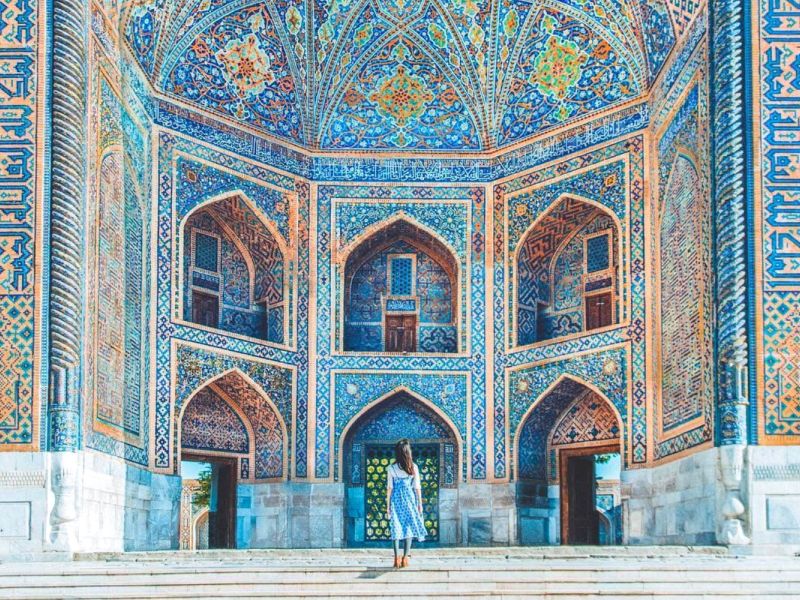
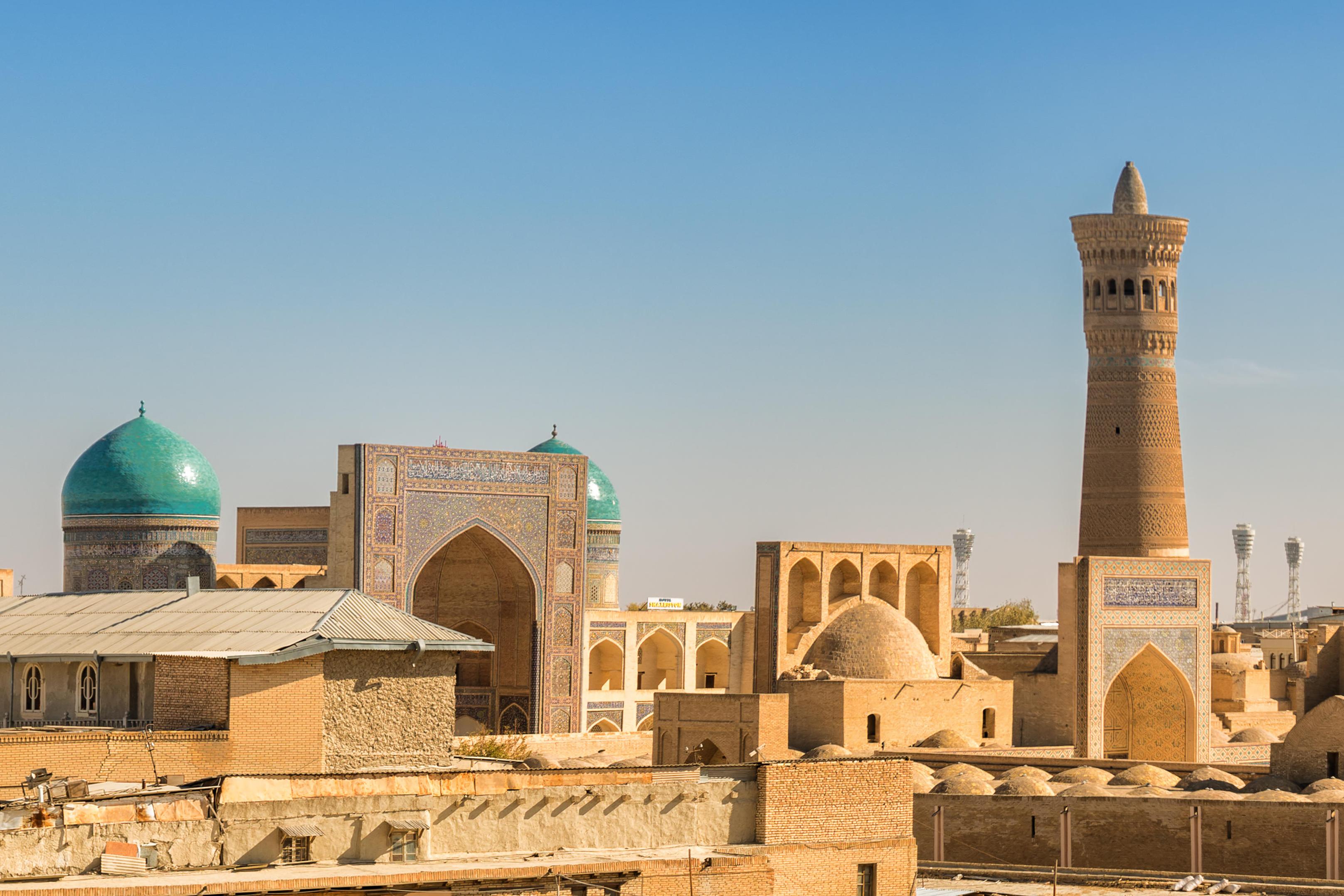
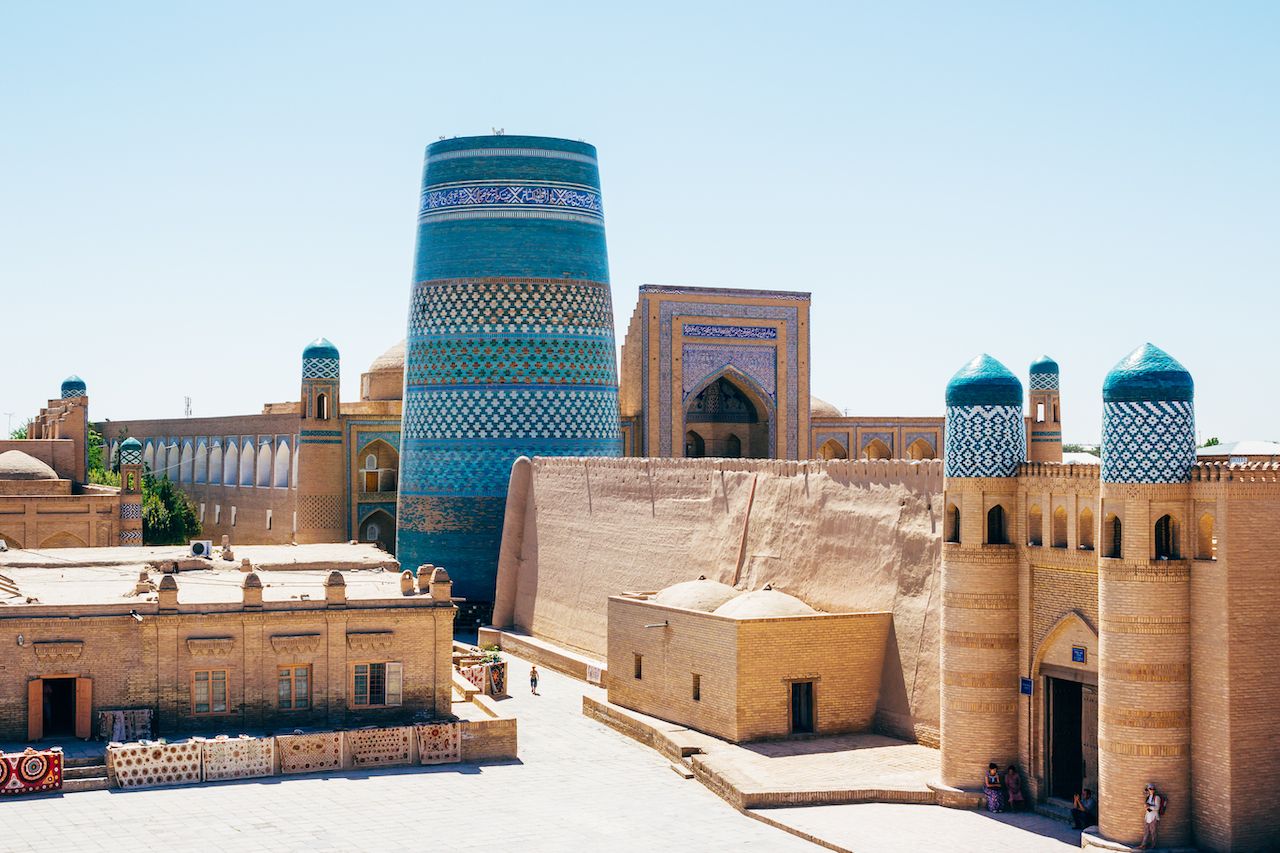
Uzbekistan is a country with a rich historical and cultural heritage, located in the heart of Central Asia. It is a place where the legends of the Great Silk Road come to life, and ancient cities like Samarkand, Bukhara, and Khiva still preserve the spirit of millennia. Samarkand, with its grand Registan Square, Bukhara with the majestic Poi Kalyan ensemble, and Khiva with its stunning Ichan-Kala fortress, are true open-air museums. These cities not only amaze with their architecture but also offer a deep immersion into the culture and traditions of the East.
The hospitality of the Uzbek people is another reason to visit Uzbekistan. Here, you will be greeted with a warm smile, openness, and heartfelt kindness. Uzbek cuisine is a true culinary gem of the region. Dishes like plov, samsa, lagman, manti, and many others will delight any gourmet. Moreover, Uzbekistan is rapidly developing. Modern hotels are being built, a network of high-speed trains is operating, and tourism services are improving — all of this makes traveling around the country comfortable and enriching.
Uzbekistan is a unique place where antiquity and modernity meet, where every street breathes history, and every day brings new impressions. If you're looking for a journey with soul — Uzbekistan is the perfect destination for you.
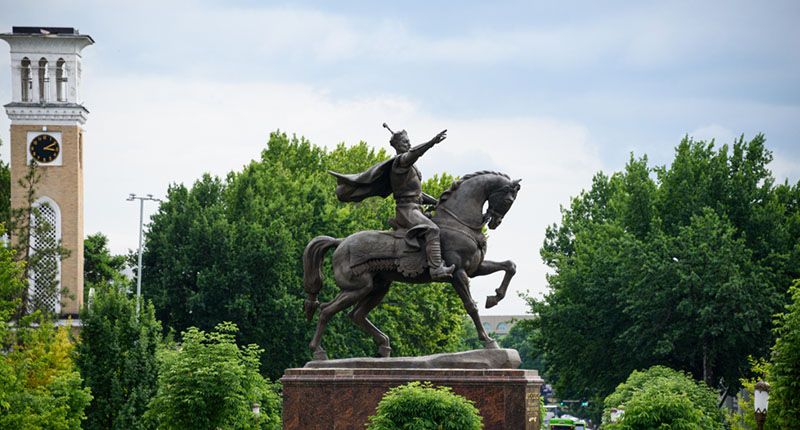
Uzbekistan’s history is a deep and fascinating journey through time. For over two millennia, this land has been home to powerful civilizations, serving as a vital hub on the Silk Road that connected the East and West. The cities of Samarkand, Bukhara, and Khiva were once renowned centers of learning, science, and trade. These ancient cities nurtured great scholars like Avicenna and Al-Khwarizmi, whose ideas influenced the world. Their legacy lives on in the architectural marvels, libraries, and ruins scattered across the country. Walking through the old quarters of Uzbekistan feels like stepping into a living museum where every stone echoes the stories of empires, conquests, and cultural fusion.
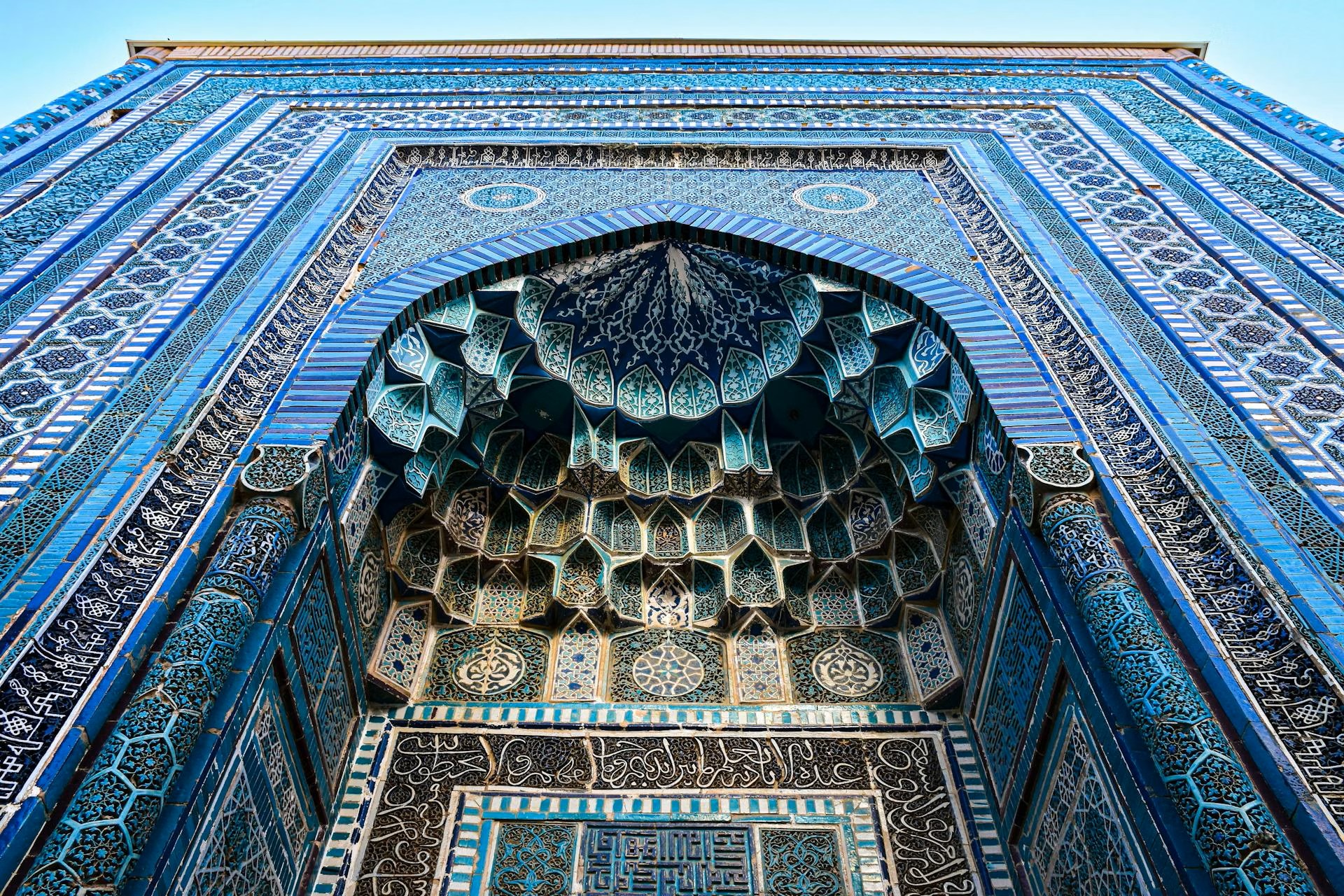
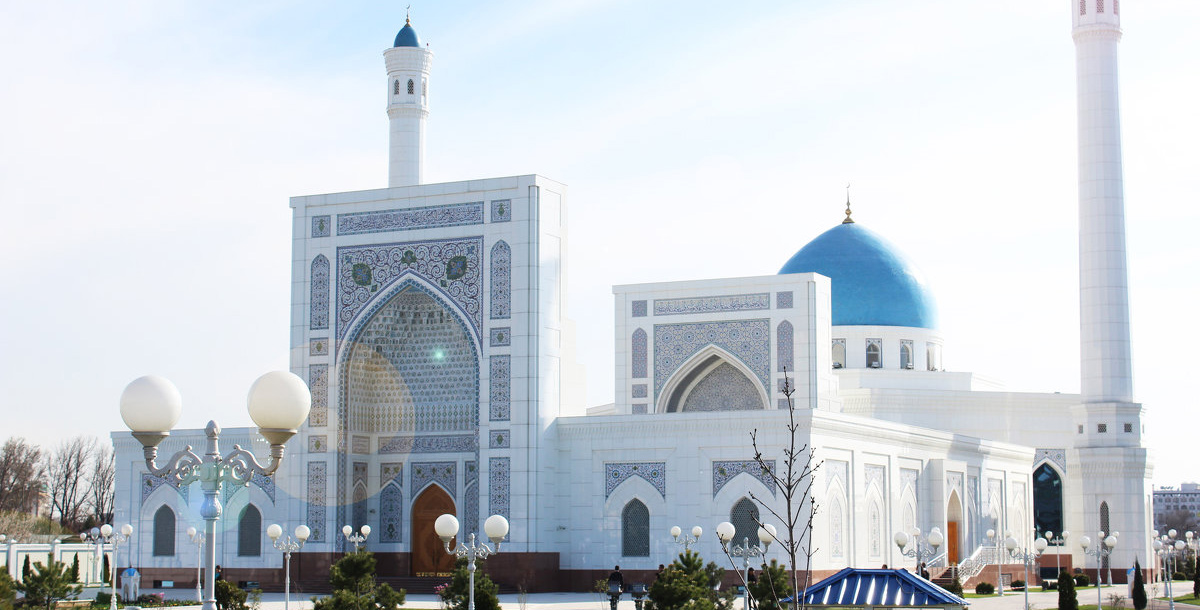
Uzbekistan’s architectural heritage is one of the richest in Central Asia. Influenced by Persian, Islamic, and Turkic traditions, its monuments are breathtaking in both scale and detail. The Registan of Samarkand, with its majestic madrasahs and turquoise domes, is one of the most iconic architectural ensembles in the world. In Bukhara and Khiva, you'll find labyrinths of ancient streets, peaceful courtyards, and historic mosques that have stood for centuries. The decorative art — including glazed tiles, carved wood, and intricate calligraphy — reflects centuries of skilled craftsmanship. These buildings are more than landmarks; they are spiritual symbols and visual stories, passed down through generations.
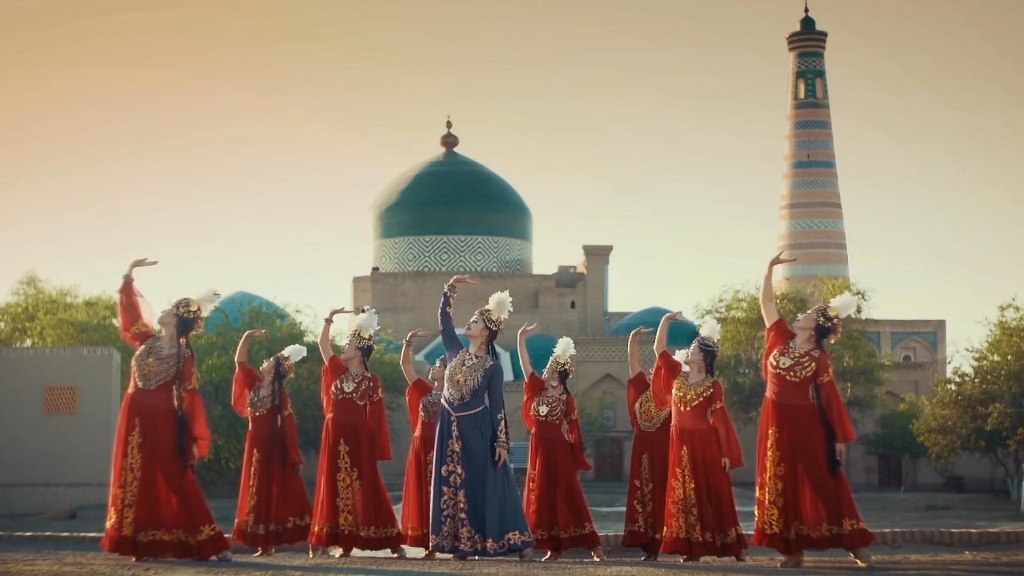
Uzbek culture is a vibrant mosaic of ancient customs, folk art, and deep-rooted values passed down through generations. Family plays a central role in social life, and hospitality is considered sacred. Guests are always welcomed with warmth, often offered tea and sweets as a sign of respect. Traditional music and dance — like the lively lazgi or elegant shashmaqom — are performed during celebrations and festivals, expressing joy, love, and the rhythm of life. Festivals such as Navruz mark the changing seasons with colorful clothing, food, and rituals. Uzbek traditions blend Zoroastrian, Islamic, and nomadic elements, creating a culture that is both deeply spiritual and remarkably cheerful.
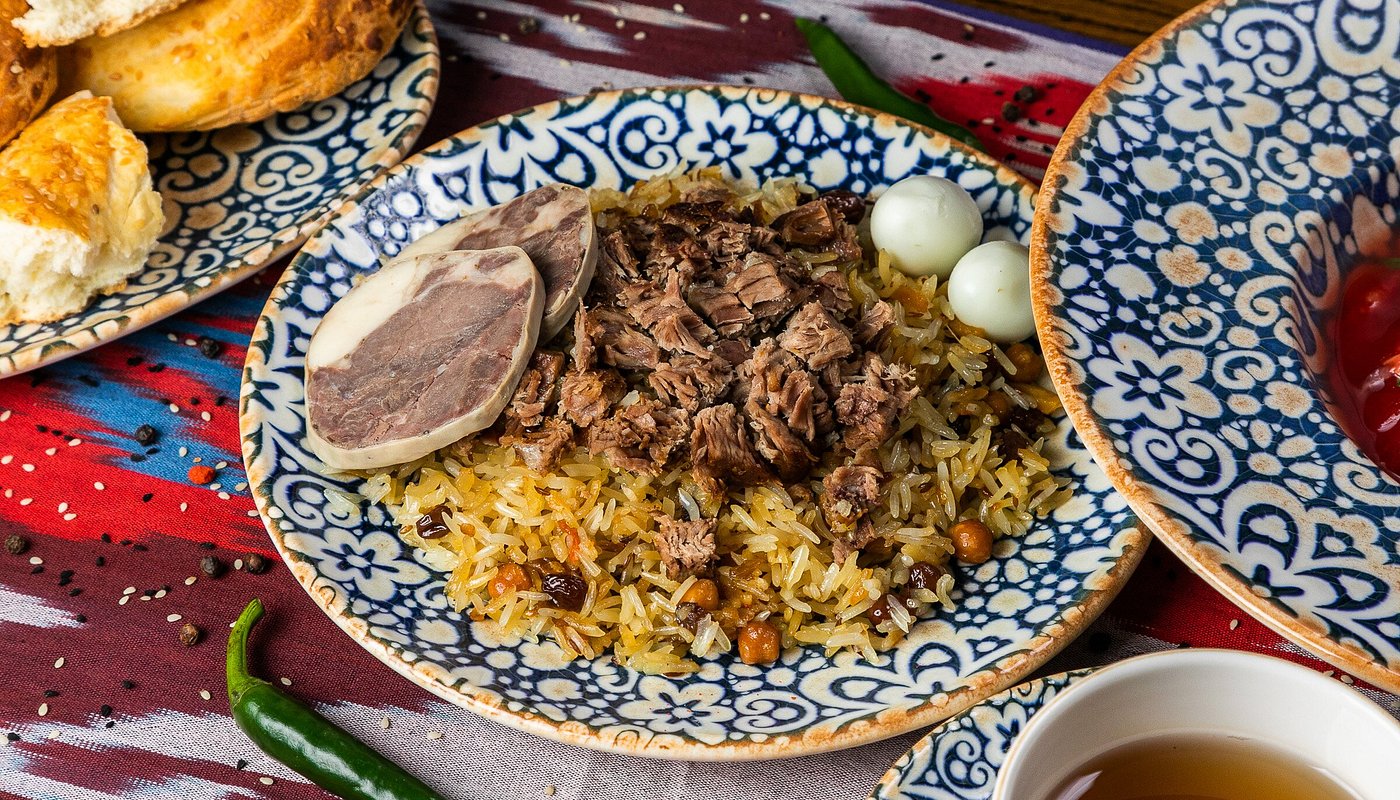
Uzbek cuisine is a culinary treasure shaped by centuries of cross-cultural exchange along the Silk Road. It is known for its rich flavors, generous portions, and hearty ingredients. The national dish, plov, is a fragrant rice dish cooked with meat, carrots, and spices — often served at weddings and large gatherings. Other favorites include manty (juicy steamed dumplings), shurpa (hearty meat soup), and non (traditional round bread baked in clay ovens). Meals are often shared communally, reinforcing family bonds and the spirit of hospitality. Uzbek food is not only nourishing but also symbolic — a connection between people, history, and the joy of gathering together.
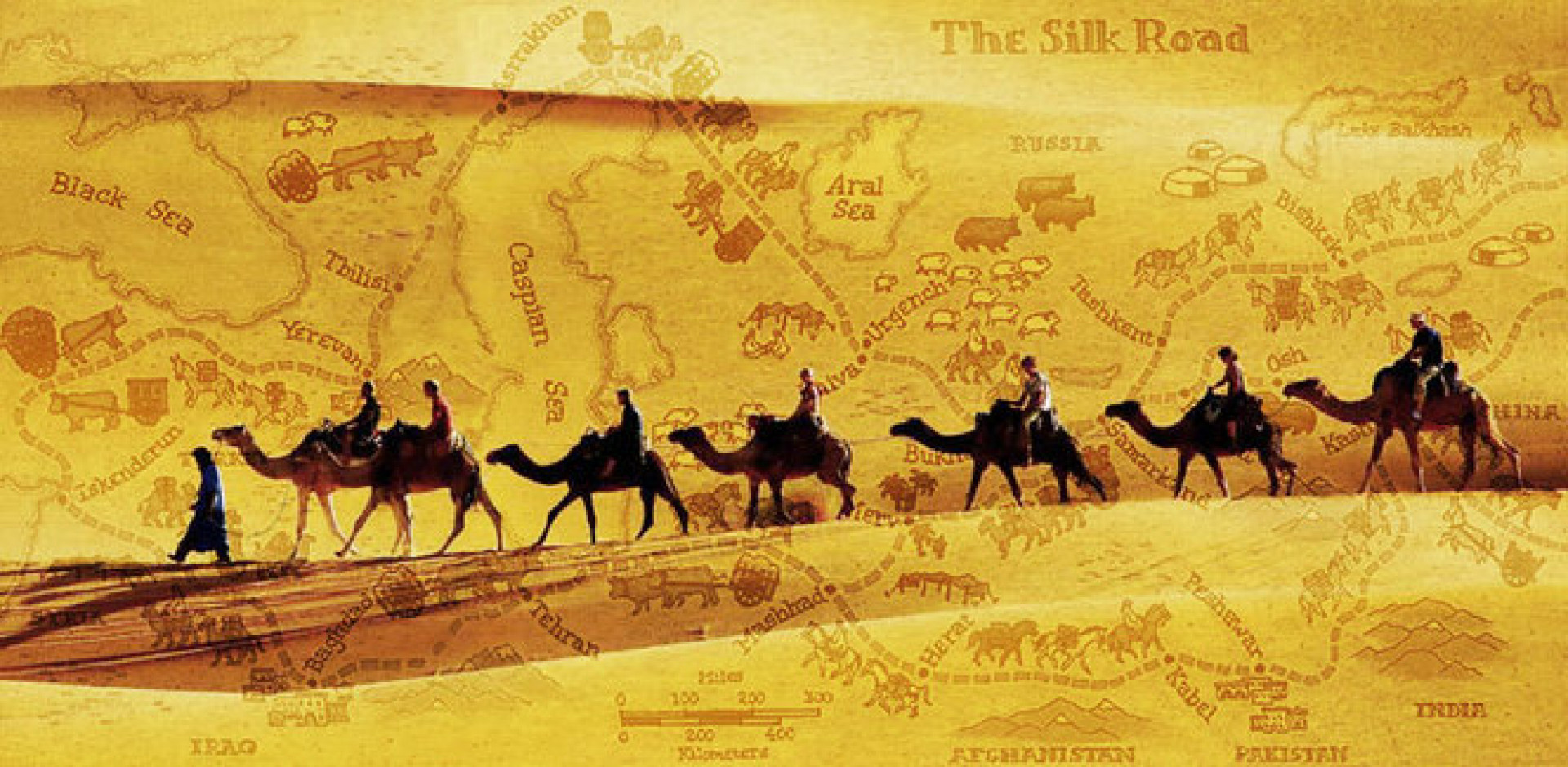
Uzbekistan was the heart of the ancient Silk Road — a legendary network of trade routes that connected China with Europe, crossing deserts, mountains, and empires. For centuries, caravans passed through cities like Samarkand, Bukhara, Khiva, and Tashkent, carrying silk, spices, porcelain, and ideas. These cities flourished not only as commercial hubs but also as centers of culture, science, and religion. The Silk Road brought together people of different languages, beliefs, and traditions, making Uzbekistan a true crossroads of civilizations. Today, the legacy of this era lives on in the grand madrasahs, caravanserais, bazaars, and minarets that still stand proudly, reminding travelers of a time when the world came together in the heart of Central Asia.
Main cities of Uzbekistan